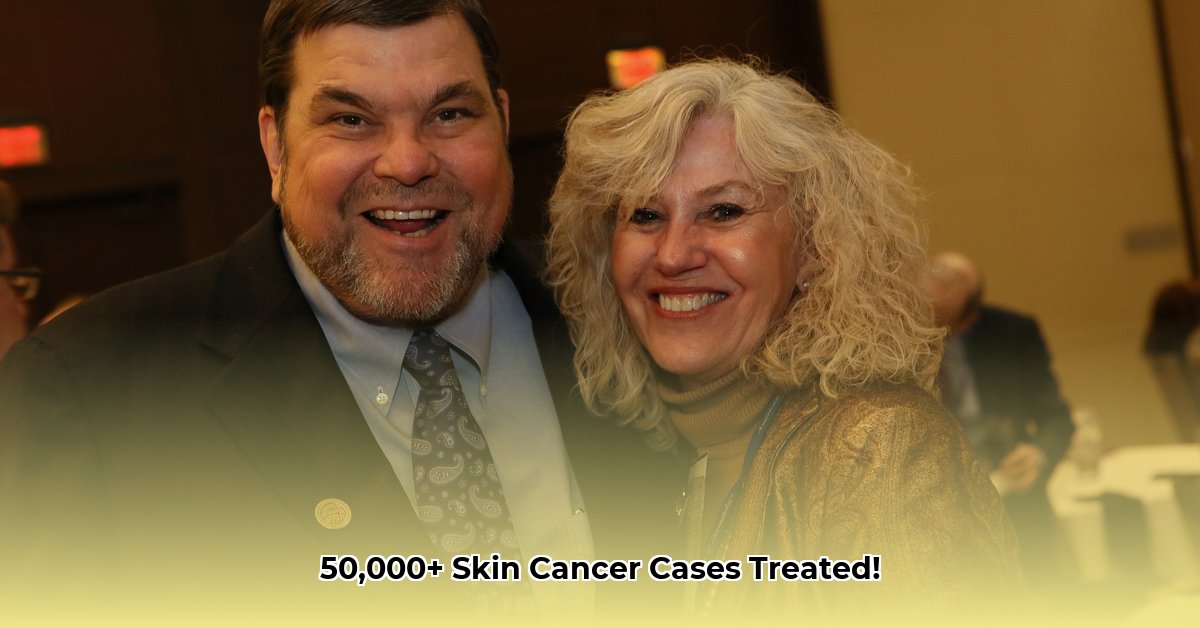
Brett Coldiron MD Cincinnati: A Case Study in Skin Cancer Center Excellence
Dr. Brett Coldiron's Skin Cancer Center of Cincinnati (SCC) stands as a remarkable success story in dermatology, having treated over 50,000 skin cancer patients. This case study examines the factors contributing to SCC's exceptional performance, exploring its strengths, challenges, and strategies for future growth. The analysis reveals key lessons applicable to other dermatology practices aiming for sustained excellence and patient-centered care. For another example of dermatology excellence, see Apex Dermatology.
How has Dr. Coldiron's leadership fostered such a high volume of successful skin cancer treatments? Is his success attributable to his personal skill or are other factors involved? The answer, as this case study reveals, lies in a multifaceted approach encompassing leadership, teamwork, and strategic planning.
Leadership and Teamwork: The Foundation of SCC's Success
Dr. Coldiron's leadership extends beyond his clinical expertise. His involvement in numerous dermatological organizations underscores his recognized authority within the field. However, SCC's success hinges not solely on Dr. Coldiron's skills, but on a highly effective team. The center's collaborative atmosphere, demonstrated by the long tenure (some exceeding eight years) of many team members, fosters a positive environment conducive to exceptional patient care. This synergistic team dynamic—comprising board-certified dermatologists, nurses, and administrative staff—functions as a well-oiled machine, efficiently handling a high volume of cases while maintaining high quality. This highlights the crucial role of team cohesion in achieving outstanding results.
Navigating Challenges and Embracing Opportunities for Growth
Even with its impressive track record, SCC faces ongoing challenges. A key area demanding attention is leadership succession planning. As Dr. Coldiron transitions out of his leadership role, how will the center preserve its exceptional standards? This requires a proactive and comprehensive strategy, including mentorship programs and the development of future leaders. Maintaining robust technology and ensuring continued team engagement represent additional challenges demanding proactive mitigation.
A Roadmap for Continued Success: Strategic Planning at SCC
SCC has proactively addressed potential challenges and opportunities through strategic planning, focusing on both short-term and long-term objectives. This forward-thinking approach ensures the practice remains at the forefront of skin cancer care.
Key Strategic Initiatives:
- Leadership Development: Implement a formal leadership training program to groom future leaders and ensure a smooth succession.
- Technological Advancement: Continuously invest in cutting-edge technology and provide regular staff training to maintain operational efficiency.
- Enhanced Patient Communication: Improve patient communication through clearer explanations, streamlined online systems, and expanded access to care (e.g., telehealth).
Risk Management: Proactive Mitigation Strategies
SCC’s success is also built upon comprehensive risk mitigation. The center anticipates potential challenges and proactively develops strategies to counteract potential negative impacts.
Key Risk Mitigation Strategies:
- Leadership Succession: Develop a multi-year succession plan with clear timelines to ensure continuity of leadership.
- Team Cohesion: Implement ongoing team-building activities and foster open communication to maintain a positive work environment.
- Regulatory Compliance: Continuously monitor regulatory changes and adapt to new guidelines to ensure legal compliance.
Conclusion: Lessons in Excellence from the Skin Cancer Center of Cincinnati
The Skin Cancer Center of Cincinnati presents a compelling case study in dermatological practice excellence. Dr. Coldiron's leadership, coupled with a strong team, has resulted in impressive patient outcomes. SCC’s success underscores the importance of:
- Strategic Planning: Proactive planning guides the practice toward a sustainable future, addressing future leadership, technological advancements, and ever-evolving regulatory landscapes.
- Teamwork: Collaboration among all staff levels is crucial for efficiency and high-quality patient care.
- Risk Mitigation: Identifying and addressing potential risks beforehand helps maintain both operational and financial stability.
SCC's journey serves as a valuable model for other dermatology practices seeking to achieve and maintain exceptional performance. By learning from their successful strategies, other clinics can pave their path towards achieving similar levels of excellence in patient care and practice sustainability.